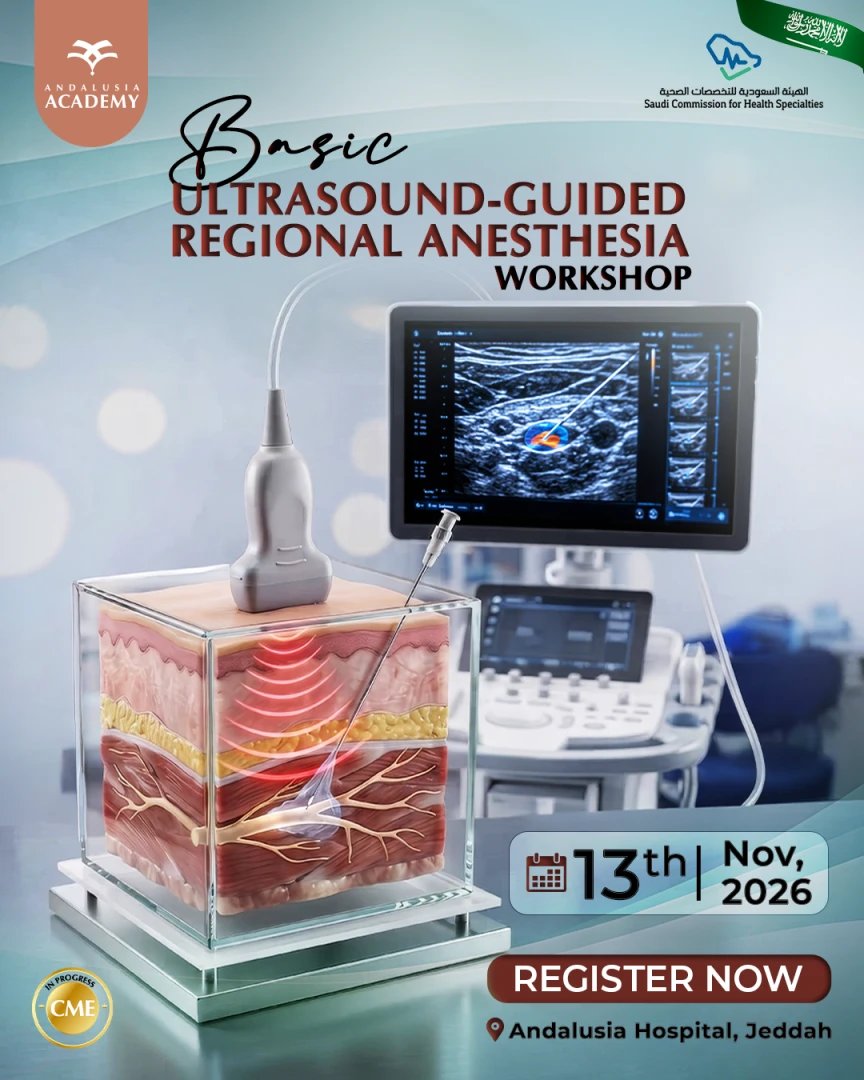
The Basic Ultrasound-Guided Regional Anesthesia Workshop at Andalusia Academy, hosted on-site at Andalusia Hospital, Jeddah, is an intensive, hands-on clinical training program designed to provide anesthesiology practitioners with a structured foundation in ultrasound-guided regional anesthesia (UGRA).
Accredited with 5 CME Hours, the workshop bridges focused theoretical lectures with supervised small-group scanning—featuring 10 participants rotating through four 40-minute hands-on stations—to build confidence in ultrasound physics, sonoanatomy, probe manipulation, needle-tip visualization, and procedural safety.
Quick Workshop Details
- Event Date: November 13, 2026 (1-Day Intensive Workshop)
- Event Venue: On-site — Andalusia Hospital, Jeddah, Saudi Arabia
- Practical Format: Small-group rotation (10 participants rotating across four 40-minute hands-on scanning stations)
- Recommended Level: Beginner to Early-Intermediate experience in UGRA
- Accreditation: 5 CME Hours
- Special Student Offer: SAR 500 for Students (Limited to 5 seats only)
Workshop Overview
Ultrasound guidance has transformed regional anesthesia by improving block accuracy, enhancing patient comfort, and minimizing procedural complications. This foundational workshop guides participants step-by-step from machine setup and image optimization to identifying key anatomical landmarks across upper-limb, lower-limb, and abdominal wall nerve blocks.
Led by a distinguished faculty of anesthesiology specialists and consultants, participants develop safe needle-path planning, recognize expected local anesthetic spread, and master early prevention and management strategies for complications such as Local Anesthetic Systemic Toxicity (LAST).
Key Learning Outcomes (What You Will Gain)
By the end of this workshop, participants will be able to:
- Operate and orient an ultrasound machine for basic regional anesthesia procedures and select the appropriate transducer.
- Optimize ultrasound images using depth, gain, focus, and systematic probe movements (sliding, tilting, rotating, and rocking).
- Differentiate nerves, blood vessels, muscles, fascial planes, and bony landmarks on ultrasound.
- Identify key sonoanatomy for interscalene, supraclavicular, and infraclavicular brachial plexus approaches.
- Identify the femoral nerve, adductor canal, and the tibial and common peroneal components of the sciatic nerve at the popliteal level.
- Identify abdominal wall muscle layers, the transversus abdominis plane (TAP), rectus abdominis muscle, and rectus sheath.
- Plan safe needle trajectories (in-plane and out-of-plane) with continuous needle-tip visualization and recognize proper injectate spread.
- Implement essential safety measures to prevent vascular puncture, nerve injury, pneumothorax, and LAST, while selecting the appropriate block for the surgical site.
Scientific Program & Faculty Topics
Module 1: Opening & Introduction to Ultrasound-Guided Regional Anesthesia
Led by Dr. Ahmed Bashaweeh — Course Director
- Basic ultrasound physics, machine orientation, probe selection, and optimizing depth, gain, and focus.
- Systematic probe movements and identifying nerves, vessels, muscles, fascia, and bone.
- In-plane vs. out-of-plane needle concepts, needle visualization, local anesthetic safety, and complication prevention.
Module 2: Upper Limb Regional Anesthesia
Led by Dr. Wadeeah Bahaziq
- Brachial plexus anatomy and sonoanatomy.
- Interscalene, supraclavicular, and infraclavicular approaches: block selection, ultrasound landmarks, needle trajectory, local anesthetic spread, pitfalls, and complications.
Module 3: Lower Limb Regional Anesthesia
Led by Dr. Mohamed Bashraheel
- Femoral nerve block, adductor canal block, and popliteal sciatic nerve block.
- Relevant anatomy and sonoanatomy, clinical indications, ultrasound landmarks, motor-sparing concepts, needle trajectory, spread, and complications.
Module 4: Abdominal Wall Regional Anesthesia
Led by Dr. Hazem Alahmwal
- Abdominal wall anatomy, Transversus Abdominis Plane (TAP) block, and Rectus Sheath block.
- Fascial plane identification, clinical indications, needle positioning, expected local anesthetic spread, and safety considerations.
Target Audience & Registration Highlights
This workshop is designed for clinicians seeking structured, foundational hands-on training in ultrasound-guided regional anesthesia:
- Anesthesiology Consultants and Specialists
- Anesthesiology Residents and Fellows
- Physicians practicing in Anesthesia, Perioperative Medicine, Acute Pain Management, or Regional Anesthesia
- Medical Students / Trainees: Exclusive student rate of SAR 500 available for 5 seats only (early registration recommended).
Frequently Asked Questions (FAQs)
Q: Is the Basic Ultrasound-Guided Regional Anesthesia Workshop accredited?
A: Yes, the activity is accredited with 5 CME Hours.
Q: When and where does the workshop take place?
A: The workshop is held on-site on November 13, 2026, at Andalusia Hospital, Jeddah.
Q: How is the practical hands-on training structured?
A: To ensure maximum hands-on scanning time and direct faculty supervision, participants train in small groups—with 10 participants rotating through four 40-minute practical stations.
Q: Are there discounted seats available for students?
A: Yes, a special student registration fee of SAR 500 is available, strictly limited to 5 seats only.
 What you will learn in this course
Experienced Instructors




Browse Our Related Courses
Related Courses
 On-site
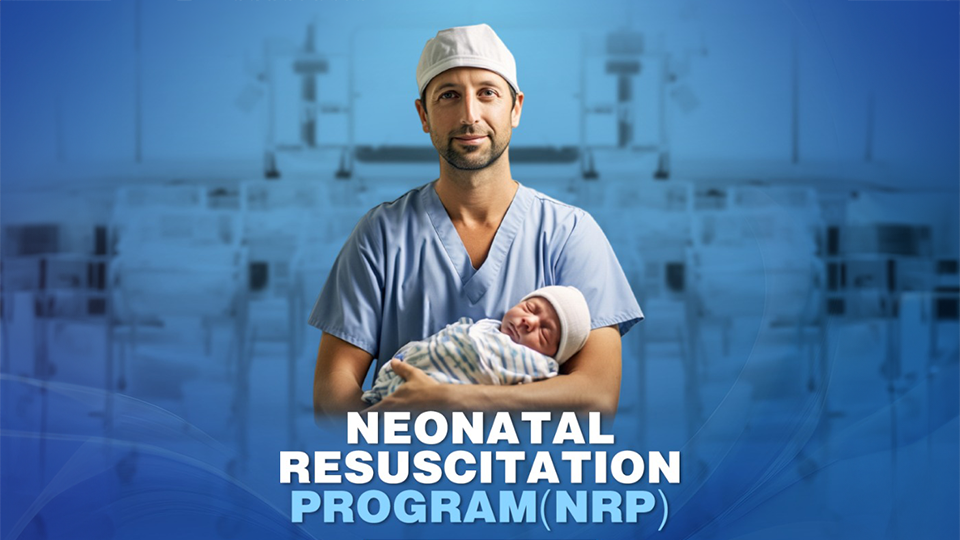
Neonatal Resuscitation Program (NRP)
Jeddah Beginner4 Weeks
- Provide the knowledge and practical skills necessary to resuscitate and stabilize newborns in the delivery room.
- Provides the knowledge and skills necessary to manage and treat pediatric cardiac arrest.
 On-site
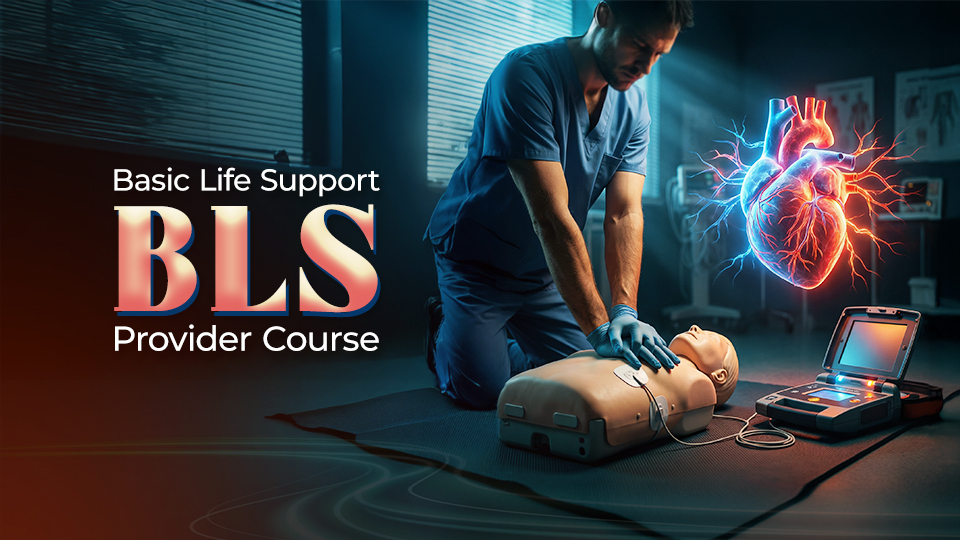
Basic Life Support (BLS) -AHA
JeddahBeginner3 Weeks- Recognize the importance of Basic life support training
- Describe the importance of high-quality CPR and its impact on chain of survival either in hospital or out of hospital cardiac arrest
 On-site
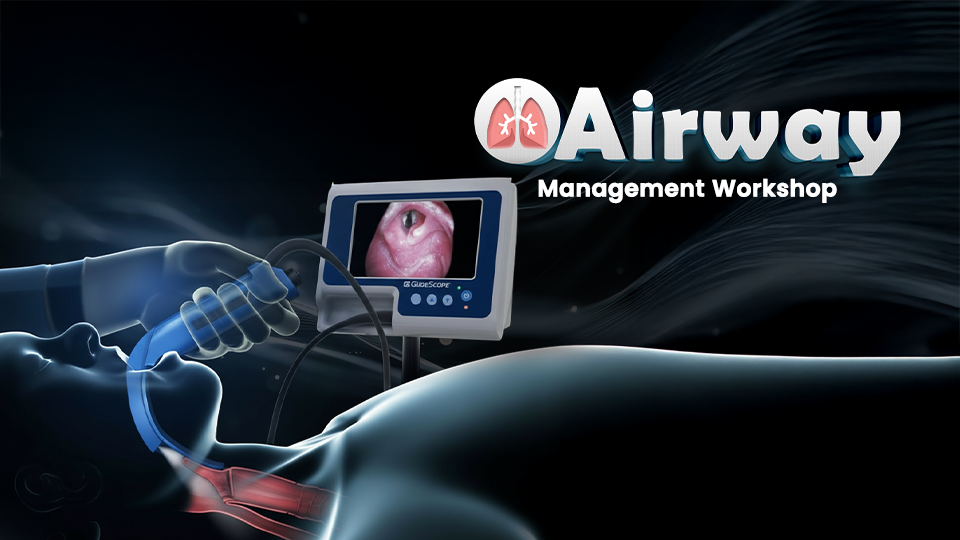
Difficult Airway Management Workshop
Jeddah Intermediate1 Days
- Assessment of airway
- Difficult Airway equipment preparation
 On-site
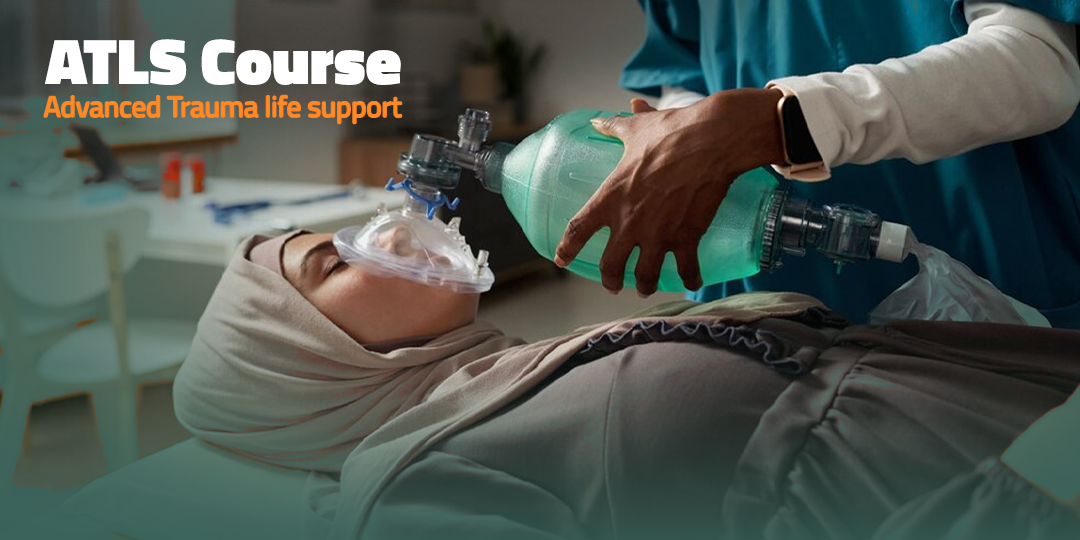
Advanced Trauma Life Support (ATLS)
JeddahIntermediate1 Days- Assess a trauma patient rapidly and accurately.
- Resuscitate and stabilize by priority.
 On-site
Thoracic Anesthesia Workshop
JeddahIntermediate1 Days- Thoracic Anesthesia Preoperative assessment
- Thoracic Anesthesia lung isolation methods and one lung ventilation strategies
 On-site
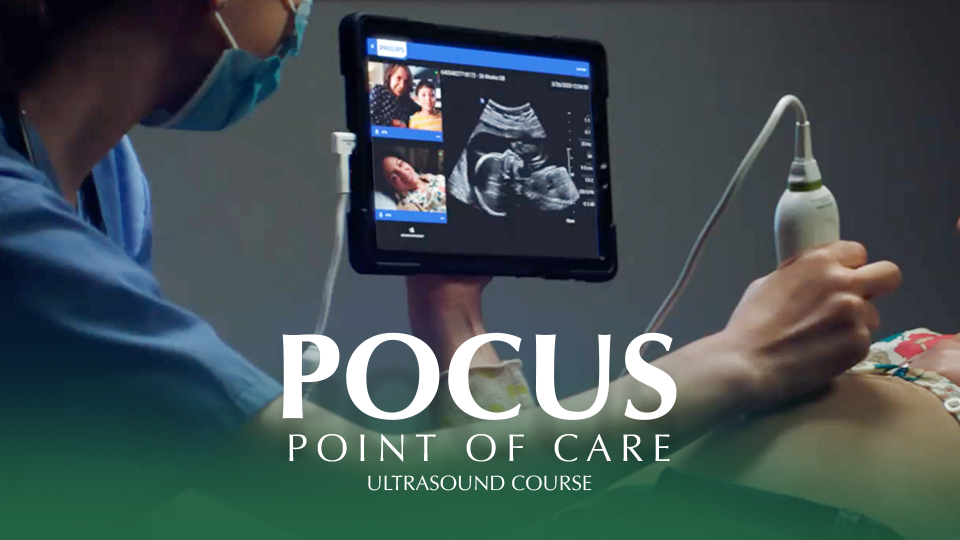
Basic POCUS
JeddahIntermediate1 Days- In this training event, you will learn how to use a POCUS ultrasound device to diagnose the most important medical problems arising from beneficial environments.
- Menstruation is also available for anyone who has already started using POCUS in emergency departments, general wards, intensive care units, or private clinics.
 On-site
Advanced Life Support in Obstetrics (ALSO)
JeddahIntermediate1 Days- The management of obstetric emergencies and improving maternal outcomes.
- Participants will learn evidence-based practices and develop critical skillsin assessing, diagnosing, and managing a range of obstetric conditions.
 Live
Outpatient Department Management Program (OPD)
RiyadhIntermediate6 Weeks- Strategic OPD Architecture & Long-Term Market Competitiveness
- OPD Demand Strategy & Revenue Optimization
 On-site
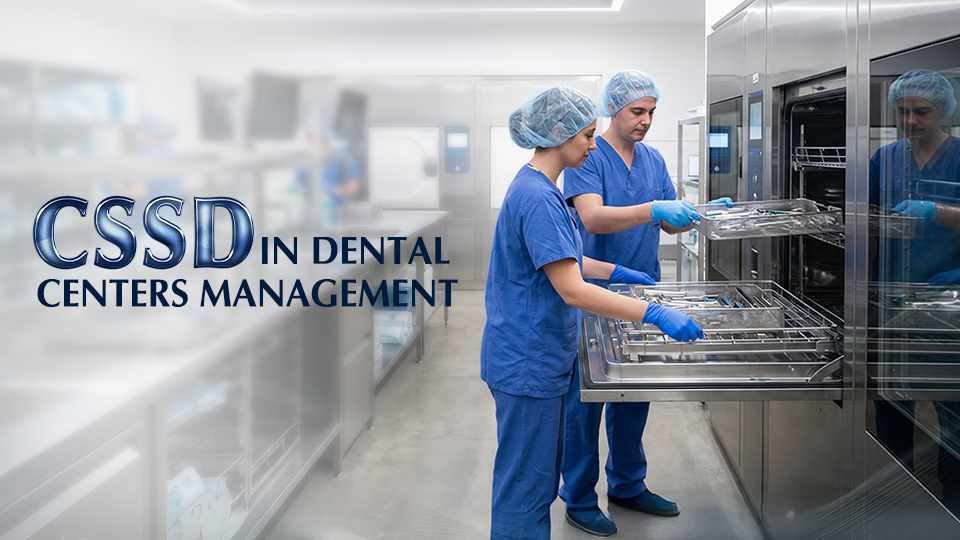
CSSD in Dental Centers Management
JeddahIntermediate1 Days- Designing Sterilization Departments in Dental Centers
- Infection Control and Quality Standards in Dental Sterilization Departments
