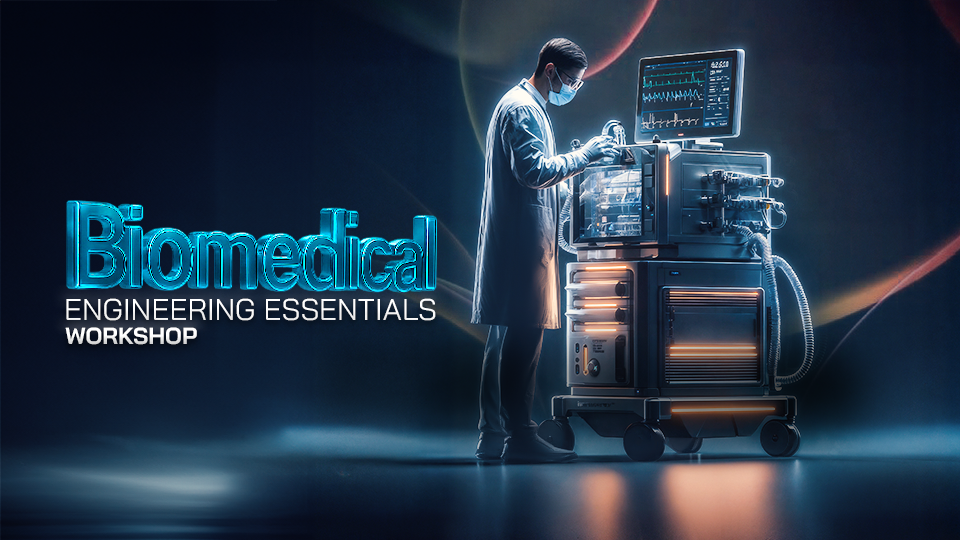
Biomedical Engineering Essentials :
4-weeks course designed for aspiring biomedical engineers and healthcare professionals. This program provides a comprehensive overview of the biomedical engineering landscape, focusing on the critical roles and responsibilities within hospital settings, particularly in Emergency Rooms (ER) and Intensive Care Units (ICU). Participants will explore key biomedical technologies, learn about medical device lifecycle management, and understand the financial implications of capital expenditures (CAPEX) in healthcare operations.
Hospital & Biomedical Engineering Foundations
Program Start & Introduction: Welcome, program overview, intern expectations.
The Biomedical Engineering Landscape:
Key specializations: Clinical Engineering, Medical Device Sales & Marketing, Maintenance & Technical Support, Bioinformatics, Research & Development, Regulatory Affairs.
Andalusia Hospital Structure: Hospital Organization Chart, key departments, patient flow.
The Biomedical Engineering Department: Organization Chart, Job Roles & Responsibilities (Engineers, Technicians, Managers), Key Departmental Procedures.
Medical Devices: Types, Lifecycle & Acquisition
Medical Device Categories:
Overview of Life Support, Diagnostic, and Other key device types (with examples).
Brief look at a device's journey within the hospital (lifecycle).
Device Acquisition Process: Needs assessment, technical specifications, vendor selection, importance of a device's full ownership cost.
Hospital Tour & Workshop Experience:
Hospital Walkthrough: Visit key areas (ICU, OR, Radiology, CSSD) to observe device use.
BME Workshop Time: Overview of tools, inventory, observe maintenance, basic introduction to the CMMS.
Device Maintenance & Troubleshooting
Planned Preventive Maintenance (PPM): Principles, benefits (safety, device life, efficiency), creating schedules and checklists.
Corrective Maintenance (CM) & Troubleshooting:
Handling breakdowns (reporting, priority, work order flow).
Basic troubleshooting methods (isolating issues, using service manuals).
Hands-on/Demonstration: PPM procedures and simulated troubleshooting for common Life Support or Diagnostic devices.
Life Support & Critical Care Devices: Ventilators, Anesthesia Machines, Defibrillators, Patient Monitors, Infusion Pumps – function, safety, common maintenance.
Hands-on/Demonstration: Device checks and setup for selected critical care devices
Diagnostic & Surgical Devices:
ECG, Ultrasound Systems
High-level look at X-ray, CT, MRI.
Understanding Biomedical Engineering:
Overview of the field and its significance in modern healthcare.
Hands-On Experience:
Hospital tours to observe device usage and maintenance in real-time.
Operational Excellence:
CAPEX considerations: Understanding the financial aspects of medical device acquisition and lifecycle costs.
Risk Management and Safety:
Strategies for managing device-related risks and incident reporting in high-stakes environments.
Target Departments :
- Emergency Room (ER)
- Intensive Care Unit (ICU)
- Biomedical Engineering Department
- Clinical Engineering
- Medical Device Sales & Marketing
- Technical Support & Maintenance Teams
Date & Time: 19 Oct - 19 Nov 2025
 What you will learn in this course

Browse Our Related Courses
Related Courses
 On-site
Restorative Insights (Anterior & Posterior Composite)
Alexandria Intermediate1 Weeks
- Anterior Composite
- Posterior Composite
 On-site
Aesthetic Dentistry Mastery Program (ADMP)
Cairo Beginner16 Weeks
- Final Cementation & Project Presentation
- Foundations of aesthetic dentistry and bleaching
 On-site
PALS (Pediatric Advanced Life Support) Workshop
AlexandriaIntermediate1 Days- Pediatric assessment and recognition of critical illness
- Airway, breathing, and circulation management in children
 Live
Outpatient Department Management (OPD Course)
AlexandriaBeginner12 Weeks- Sustainable Competitiveness
- Master the POLC framework (Planning, Organizing, Leading, Controlling)
 On-site
Coronary CT Angiography: Refresher Workshop from Basic to Advanced
CairoBeginner2 Days- 1. Physical background of MSCT:
- 2. Clinical indications and applications:
 On-site
Basic Life Support Course (BLS Course) Book Now!
CairoBeginner1 Months- Learn the basic steps to save lives in critical situations.
- Learn how to perform CPR effectively.
 On-site
POCUS (Point Of Care Ultrasound) Course
CairoIntermediate2 Days- In this training event, you will learn how to use a POCUS ultrasound device to diagnose the most important medical problems arising from beneficial environments.
- Menstruation is also available for anyone who has already started using POCUS in emergency departments, general wards, intensive care units, or private clinics.
 Live
Certified Patient Experience Professional Program (CPXP)
CairoBeginner6 Weeks- Introduction to Patient Experience & PX Standards
- Designing PX Strategies in Hospitals
 On-site
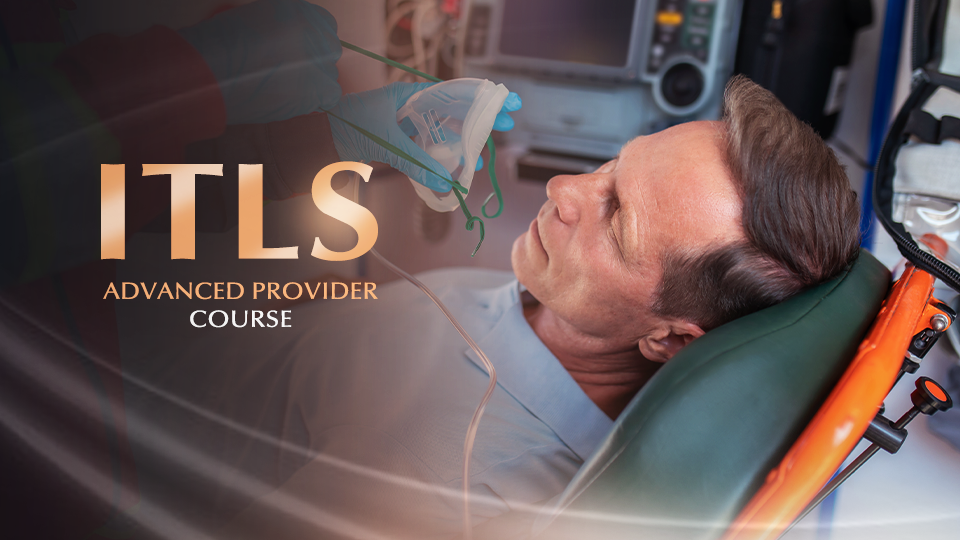
International Trauma Life Support (ITLS®) Workshop
CairoIntermediate2 Days- Demonstrate concepts and principles of primary and secondary assessment.
- Establish management priorities.
