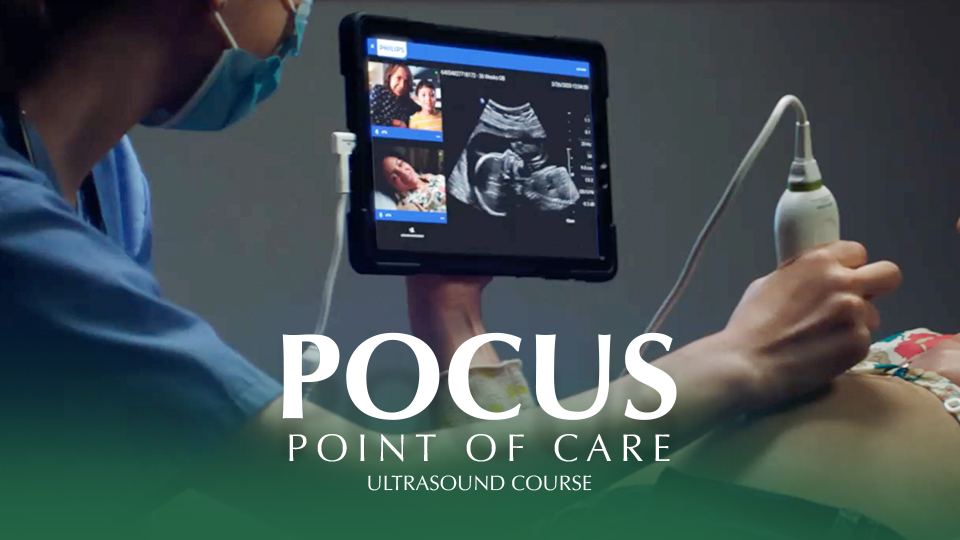
The BASIC POCUS Program is an intensive hands-on ultrasound training designed for physicians working in emergency medicine, critical care, ICU, anesthesia, and general practice.
The course focuses on practical Point-of-Care Ultrasound (POCUS) applications that improve bedside diagnosis, patient assessment, and clinical decision-making in real time.
Participants will receive structured theoretical sessions combined with supervised hands-on scanning practice using real ultrasound machines, volunteers, simulators, and phantom models.
Course Topics:
1. Physics & Knobology
Participants will learn:
✔ Ultrasound frequency, resolution & penetration
✔ Probe types and selection
✔ Ultrasound modes and machine settings
✔ Image optimization techniques
✔ Ultrasound artifacts and interpretation
Key Focus:
✔ Building strong foundational ultrasound skills
✔ Understanding machine controls efficiently
2. FAST Examination
Training Includes:
✔ Full trauma ultrasound protocol
✔ Subcostal, hepatorenal, splenorenal & suprapubic views
✔ Positive vs. negative FAST interpretation
✔ Patient positioning techniques
✔ Common pitfalls in trauma scanning
Key Focus:
✔ Rapid trauma assessment
✔ Early internal bleeding detection
3. Ultrasound-Guided Vascular Access
Participants will practice:
✔ Indications and contraindications
✔ In-plane & out-of-plane techniques
✔ Needle tip tracking
✔ Arterial vs venous differentiation
✔ Hands-on cannulation using phantom models
Key Focus:
✔ Safer vascular access
✔ Reduced complications and failed attempts
4. Basic ECHO
Covered Topics:
✔ Parasternal long & short axis
✔ Apical 4-chamber view
✔ Subcostal cardiac evaluation
✔ Cardiac effusion assessment
✔ LV function “eyeballing”
✔ Shock assessment basics
Key Focus:
✔ Rapid bedside cardiac assessment
✔ Immediate shock evaluation
5. Hepatobiliary Ultrasound
Participants will learn:
✔ Gallbladder stones & sludge detection
✔ Acute cholecystitis signs
✔ Biliary dilatation assessment
✔ Liver pathology basics
Key Focus:
✔ Quick abdominal ultrasound evaluation
✔ Common hepatobiliary emergency findings
6. Nerve Block Ultrasound (Basics)
Topics Include:
✔ Principles of nerve block scanning
✔ Upper limb nerve anatomy
✔ Lower limb nerve anatomy
✔ Needle visualization and safety
Key Focus:
✔ Safer regional anesthesia techniques
✔ Ultrasound-guided procedural accuracy
7. Renal Ultrasound
Training Covers:
✔ Hydronephrosis assessment
✔ Renal stone indicators
✔ Basic renal pathology screening
Key Focus:
✔ Rapid kidney assessment in emergency settings
8. Airway & Lung Ultrasound
Participants will practice:
✔ Pneumonia assessment
✔ Pneumothorax detection
Hands-On Training Features
The practical component includes:
- Real ultrasound machine practice
- Live scanning workshops
- Volunteer-based scanning
- High-fidelity simulators
- Phantom models for vascular access
- Multi-organ scanning sessions
- Direct supervision by expert instructors
Participants Benefits:
1. Clinical Benefits
2. Faster bedside diagnosis
3. Improved patient management
4. Better emergency response skills
5. Increased diagnostic confidence
6. Enhanced procedural safety
7. Professional Benefits
8. Practical ultrasound competency
9. Career development opportunity
10. High-demand clinical skill
11. Stronger ICU & emergency medicine profile
12. International-standard training exposure
13. Learning Benefits
14. Intensive practical exposure
15. Real clinical scenarios
16. Small-group interactive training
17. Immediate instructor feedback
18. Structured skill-based learning
Key Details:
Date: 24 - 25 September 2026
Venue: Andalusia Shalalt Hospital
Accreditations: AACME
 What you will learn in this course
Browse Our Related Courses
Related Courses
 On-site
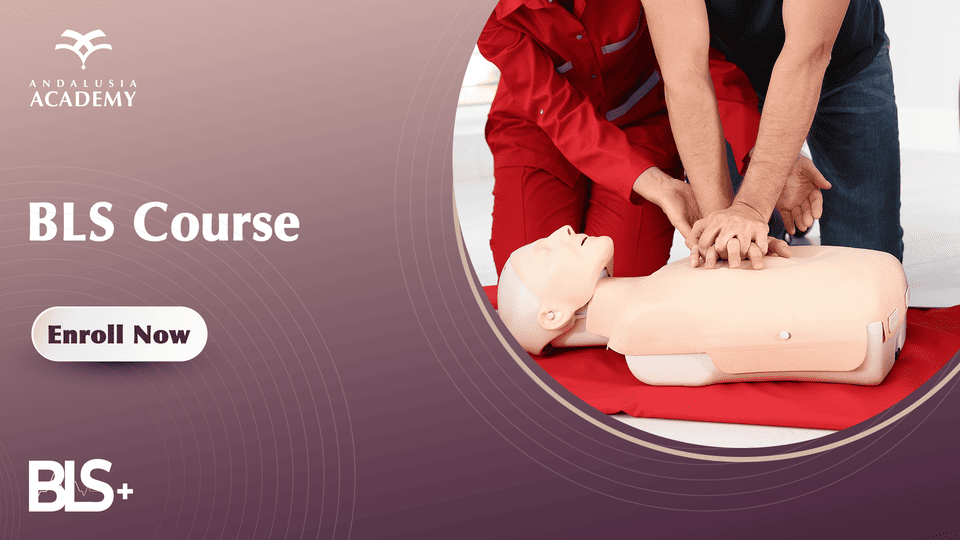
Basic Life Support Course (BLS Course) Book Now!
Cairo Beginner1 Months
- Learn the basic steps to save lives in critical situations.
- Learn how to perform CPR effectively.
 On-site
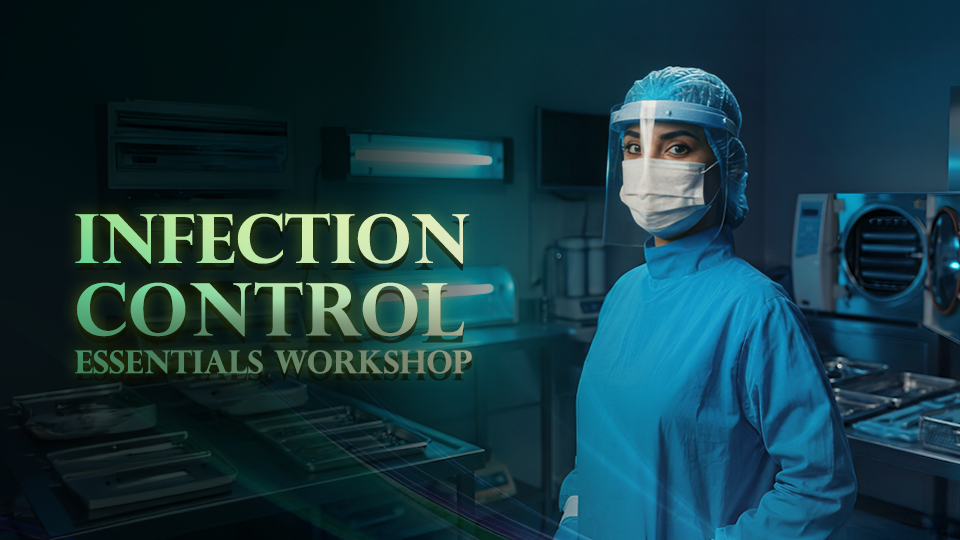
Infection Control Essentials (ICE) Workshop
Alexandria Expert2 Months
- Introduction to Infection Control
- Microbiology Basics
 On-site
Breast Surgery Hands-on Course
Alexandria Intermediate2 Days
- Reduction & mastopexy
- Augmentation
 Live
All About Fixed Prosthodontics Workshop
CairoIntermediate10 Days- Principles of Diagnosis and Treatment Plan For Fixed Prosthodontics
- Management of Endodontically Treated Teeth. (Post & Core and EndoCrown)
 Live
Clinical Documentation Improvement (CDI) Program
CairoIntermediate5 Weeks- Module 1: Foundations of Clinical Documentation Improvement
- Module 2: Clinical Documentation Standards & Compliance
 On-site
Advanced Cardiac Life Support (ACLS)
CairoIntermediate2 Days- Provides healthcare professionals with the knowledge and skills to manage and treat cardiac arrest in pediatric.
 On-site
Guide to Natural Filler & Botox By Dr. Sara El Toukhy
AlexandriaBeginner2 Days- Explore the History of Botox and Fillers.
- Delve into the Fascinating World of Face Anatomy.
 On-site
Restorative Insights (Anterior & Posterior Composite)
AlexandriaIntermediate1 Weeks- Anterior Composite
- Posterior Composite
 On-site
Hands-On Endodontics Course
CairoIntermediate5 Days- Diagnosis and Treatment Planning in Clinical Practice
- Enhancing Clinical Efficiency
