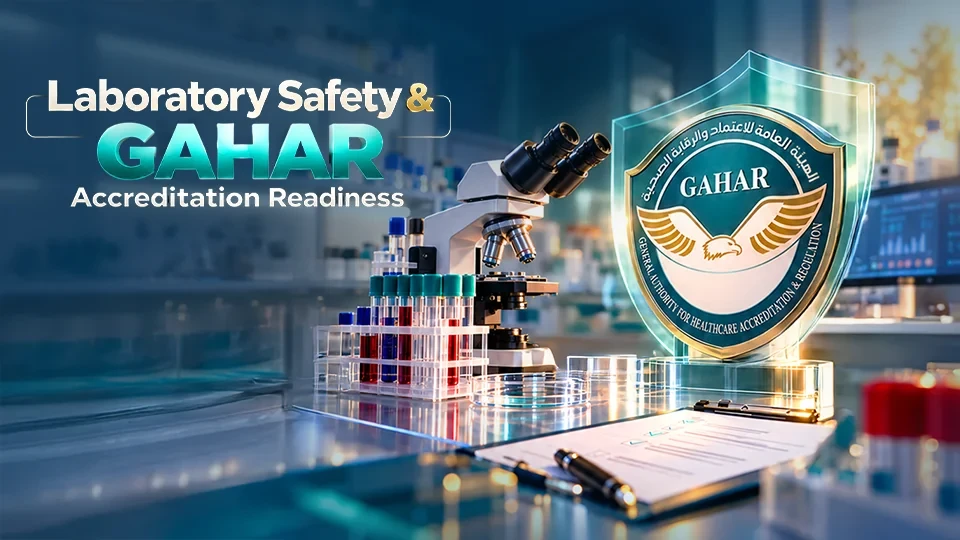
The Laboratory Safety & GAHAR Accreditation Readiness program at Andalusia Academy is a specialized, practice-oriented training designed to strengthen medical laboratory safety systems and equip healthcare facilities to meet the General Authority for Healthcare Accreditation and Regulation (GAHAR) standards for laboratory services.
Delivered online across 40 training hours (15 workshops covering 12 integrated modules), this program provides healthcare and laboratory professionals with structured, actionable frameworks for safety governance, hazard mitigation, biosafety, and continuous quality improvement.
Program Details
- Start Date: November 28, 2026
- End Date: January 30, 2027
- Event Venue: Online (Live Interactive Sessions)
- Duration & Structure: 40 Training Hours across 15 Workshops (12 Integrated Modules)
- Course Level: Intermediate
- Accreditation: Accredited by the American Council of Training and Development (ACTD).
Program Overview
Medical laboratories face complex biological, chemical, and operational risks that directly impact staff safety, specimen integrity, and patient outcomes. This program bridges international laboratory safety standards with practical GAHAR accreditation readiness requirements.
Participants gain hands-on expertise in establishing safety governance frameworks, conducting risk assessments, implementing infection prevention and biosafety controls, managing hazardous chemicals, ensuring equipment calibration and safety, and tracking safety performance using KPIs and dashboards.
Key Learning Outcomes (What You Will Gain)
By completing this program, participants will be able to:
- Interpret and apply GAHAR accreditation standards relevant to medical laboratory services.
- Establish a structured laboratory safety governance framework and develop an evidence-based Laboratory Safety Manual.
- Conduct comprehensive laboratory hazard identification and risk assessments.
- Implement strict biosafety, infection prevention, and safe specimen handling protocols.
- Manage chemical and hazardous materials safely in compliance with occupational health regulations.
- Strengthen laboratory incident reporting, root-cause investigation, and emergency preparedness plans.
- Oversee medical laboratory equipment safety, preventive maintenance, and calibration programs.
- Design and monitor Laboratory Safety KPIs and Dashboards to drive continuous improvement.
Program Curriculum & Modules (12 Integrated Modules)
Module 1: GAHAR Readiness and Laboratory Safety Framework
- Understanding GAHAR accreditation standards for laboratories and building safety governance.
Module 2: Laboratory Hazard Identification and Risk Assessment
- Proactive hazard identification methodologies and structured risk assessment matrices.
Module 3: Standard Laboratory Safety Practices
Daily safety protocols, PPE compliance, and developing an evidence-based safety manual.
Module 4: Incident Management in Laboratory Settings
Incident reporting systems, exposure management, and corrective/preventive actions (CAPA).
Module 5: Biosafety and Infection Prevention
Biosafety levels, containment principles, and infection control practices in diagnostic labs.
Module 6: Laboratory Specimen Safety
Safe collection, transport, handling, storage, and disposal of biological specimens.
Module 7: Chemical Safety and Hazardous Materials
Chemical inventory management, Safety Data Sheets (SDS), spill response, and waste disposal.
Module 8: Laboratory Environmental Health and Occupational Safety
Ergonomics, ventilation, fire safety, and occupational health monitoring for lab personnel.
Module 9: Laboratory Medical Equipment Safety Program
Equipment safety protocols, preventive maintenance schedules, and calibration verification.
Module 10: Laboratory Emergency Preparedness and Response
Developing laboratory emergency response plans, evacuation drills, and crisis management.
Module 11: Laboratory Safety KPIs, Dashboards, and Continuous Improvement
Selecting key safety performance indicators, building dashboards, and sustaining compliance.
Module 12: Laboratory GAHAR Accreditation Readiness Toolkit
Practical checklists, audit readiness tools, and step-by-step implementation roadmap for GAHAR surveys.
Target Audience
This program is tailored for professionals involved in laboratory operations, quality, and healthcare accreditation:
- Medical Laboratory Directors, Managers, and Supervisors
- Pathologists, Clinical Chemists, Microbiologists, and Medical Technologists
- Healthcare Quality & Accreditation Specialists (GAHAR Coordinators)
- Infection Prevention and Control (IPC) Practitioners
- Occupational Health, Environmental Safety, and Biosafety Officers
Frequently Asked Questions (FAQs)
Is the Laboratory Safety & GAHAR Accreditation Readiness program accredited?
Yes, graduates receive an internationally recognized certificate accredited by the American Council of Training and Development (ACTD).
What is the duration, schedule, and format of the training?
The program runs online from November 28, 2026, to January 30, 2027, spanning 40 training hours delivered across 15 interactive workshops covering 12 core modules.
Does the program provide practical tools for GAHAR survey preparation?
Yes, Module 12 is dedicated entirely to a Laboratory GAHAR Accreditation Readiness Toolkit, equipping participants with audit checklists, safety manual templates, and KPI dashboards.
Who should enroll in this program?
Laboratory managers, medical technologists, quality coordinators, biosafety officers, and healthcare professionals preparing their laboratories for GAHAR accreditation or upgrading lab safety systems.
 What you will learn in this course

Browse Our Related Courses
Related Courses
 On-site
Biomedical Engineering Essentials: From Theory to Practice
Alexandria Beginner4 Weeks
- Hospital tours to observe device usage and maintenance in real-time.
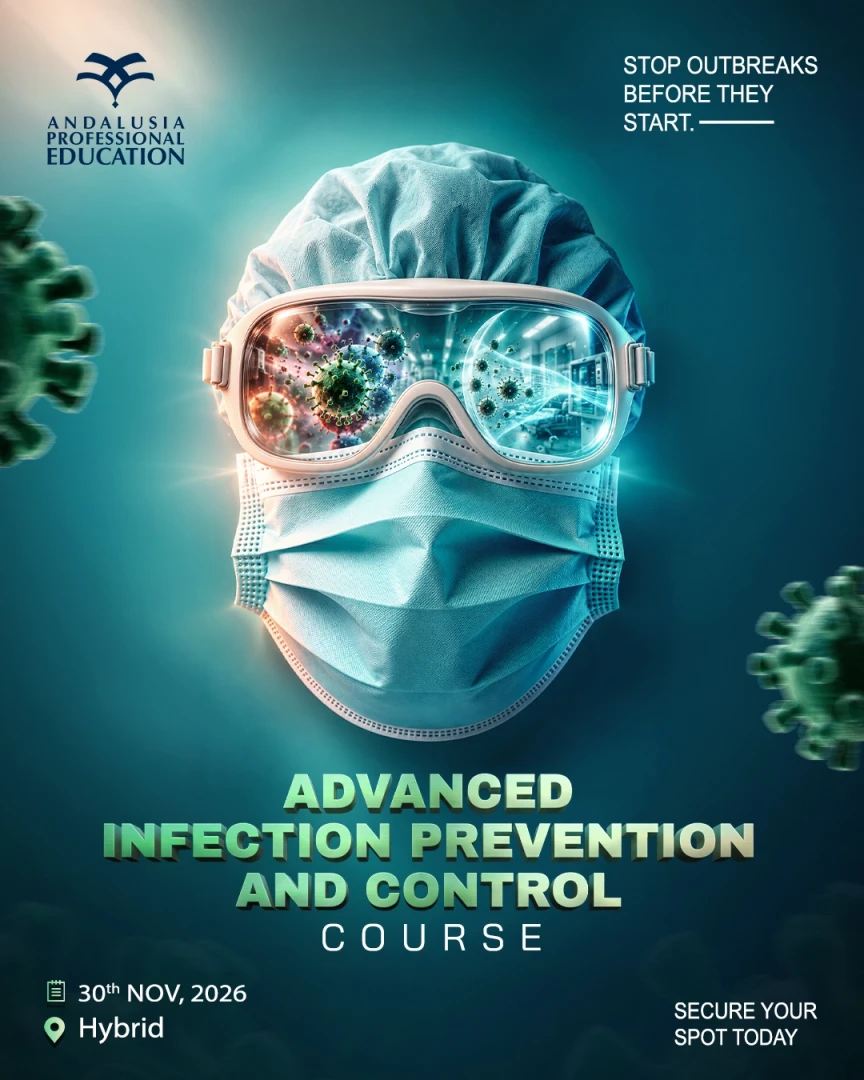 Live
Advanced Infection Prevention and Control (IPC) Course
 Expert16 Days
- Develop, implement, and audit evidence-based IPC policies and procedures aligned with healthcare quality and accreditation standards.
- Execute Healthcare-Associated Infection (HAI) surveillance, conduct infection risk assessments, and lead structured outbreak investigations.
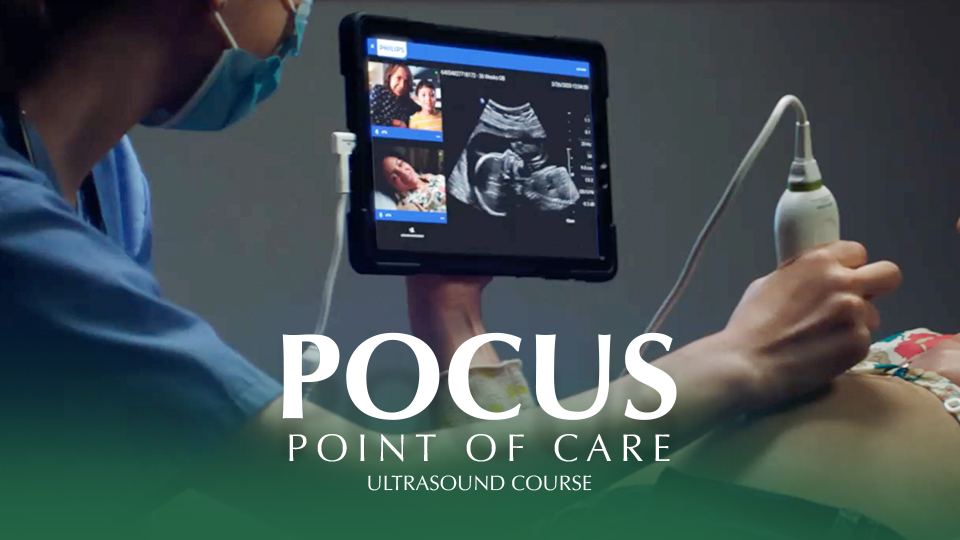 On-site
Basic Pocus Workshop
Alexandria Intermediate2 Days
- 1. Physics & Knobology
- 2. FAST Examination
 Live
Certified Patient Experience Professional Program (CPXP)
CairoBeginner6 Weeks- Introduction to Patient Experience & PX Standards
- Designing PX Strategies in Hospitals
 On-site
Restorative Insights (Anterior & Posterior Composite)
AlexandriaIntermediate1 Weeks- Anterior Composite
- Posterior Composite
 Live
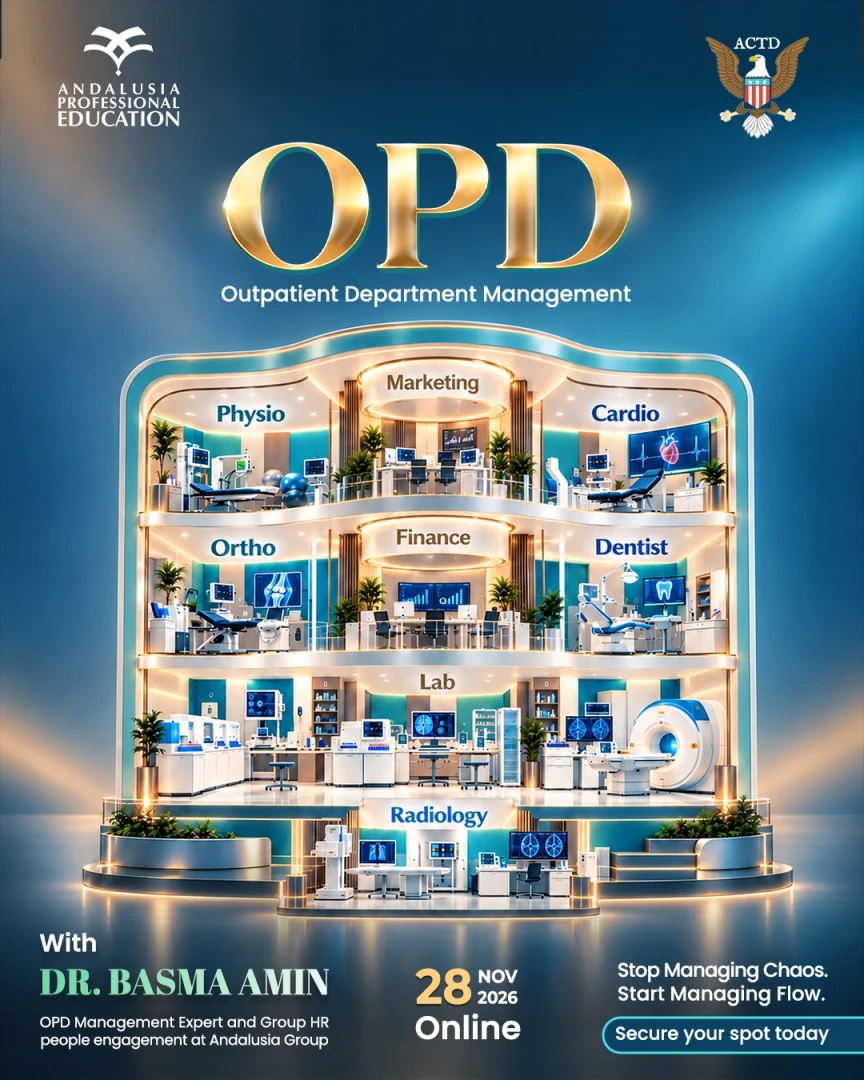
Outpatient Department Management (OPD Course)
Intermediate6 Weeks- Design strategic OPD infrastructure, plan medical specialties, and manage clinic capacity for long-term operational stability.
- Engineer seamless Patient Flow Strategies to reduce waiting times and elevate the overall patient journey.
 On-site
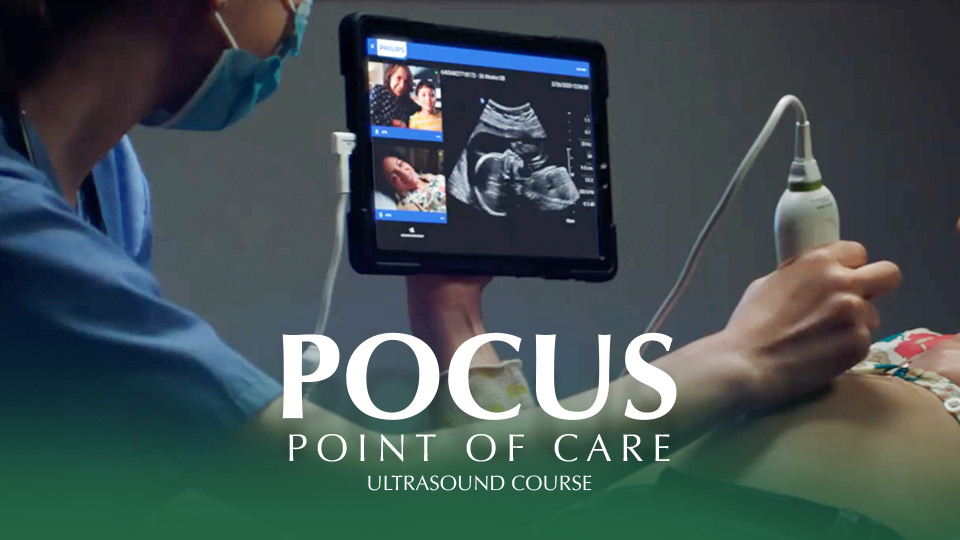
POCUS (Point Of Care Ultrasound) Course
CairoIntermediate2 Days- In this training event, you will learn how to use a POCUS ultrasound device to diagnose the most important medical problems arising from beneficial environments.
- Menstruation is also available for anyone who has already started using POCUS in emergency departments, general wards, intensive care units, or private clinics.
 On-site
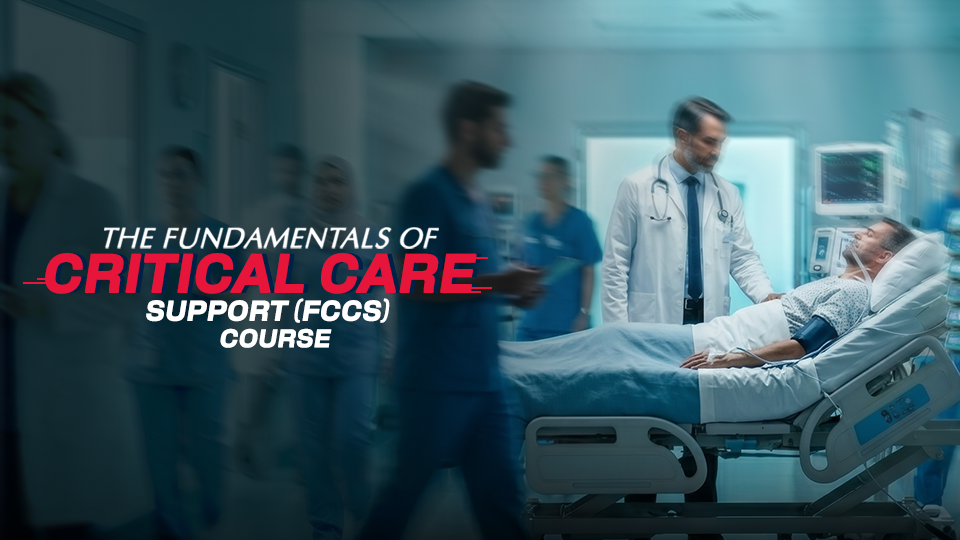
Fundamentals of Critical Care Support (FCCS) Course
CairoIntermediate2 Days- Evidence-based theoretical sessions
- Interactive case discussions
 On-site
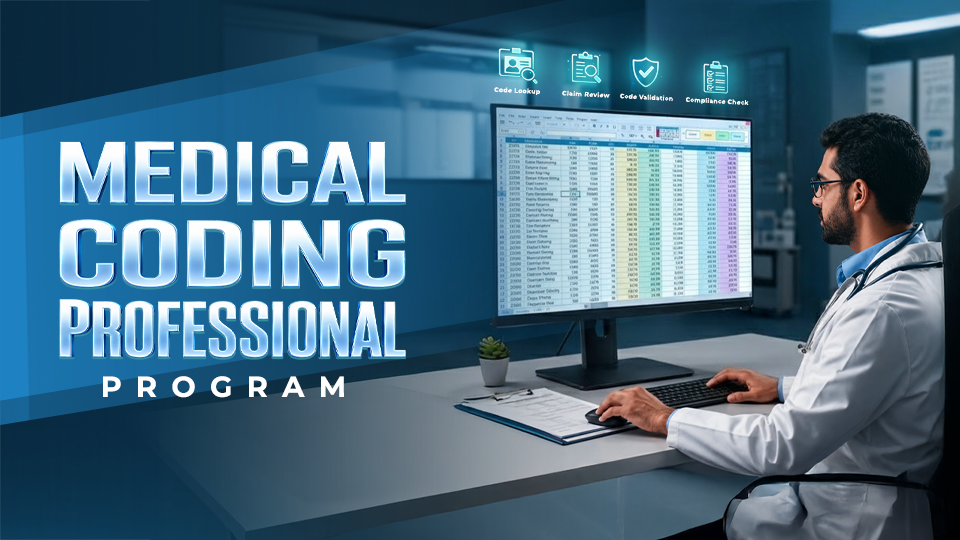
Medical Coding Professional Program
CairoIntermediate4 Weeks- Session 1: Introduction to Medical Coding
- Session 2: CPT Coding Fundamentals
